Effective Injury Rehabilitation Techniques for Winnipeg Residents: Physiotherapy Techniques Winnipeg
- Alex Vandervine
- Apr 13
- 4 min read
Recovering from an injury can feel overwhelming, but with the right approach, you can regain strength, mobility, and confidence. Whether you’re dealing with a work-related injury, a motor vehicle accident, or a sports setback, effective rehabilitation is key to getting back on track. In this post, I’ll walk you through some effective physiotherapy techniques Winnipeg residents can use to heal efficiently and safely.
Understanding Physiotherapy Techniques Winnipeg
Physiotherapy is more than just exercises. It’s a tailored process that helps your body heal by improving movement, reducing pain, and restoring function. In Winnipeg, physiotherapy techniques are designed to meet the unique needs of people recovering from various injuries, including those covered by WCB claims and MPI claims.
Here are some common physiotherapy techniques you might encounter:
Manual Therapy: Hands-on techniques like joint mobilization and soft tissue massage to reduce pain and improve mobility.
Therapeutic Exercises: Specific movements to strengthen muscles, improve flexibility, and restore balance.
Electrotherapy: Using electrical stimulation to reduce pain and promote healing.
Heat and Cold Therapy: Applying heat to relax muscles or cold to reduce inflammation.
Education and Advice: Guidance on posture, ergonomics, and activity modification to prevent re-injury.
Each technique is chosen based on your injury type, severity, and personal goals. The goal is to create a plan that fits your lifestyle and helps you recover faster.
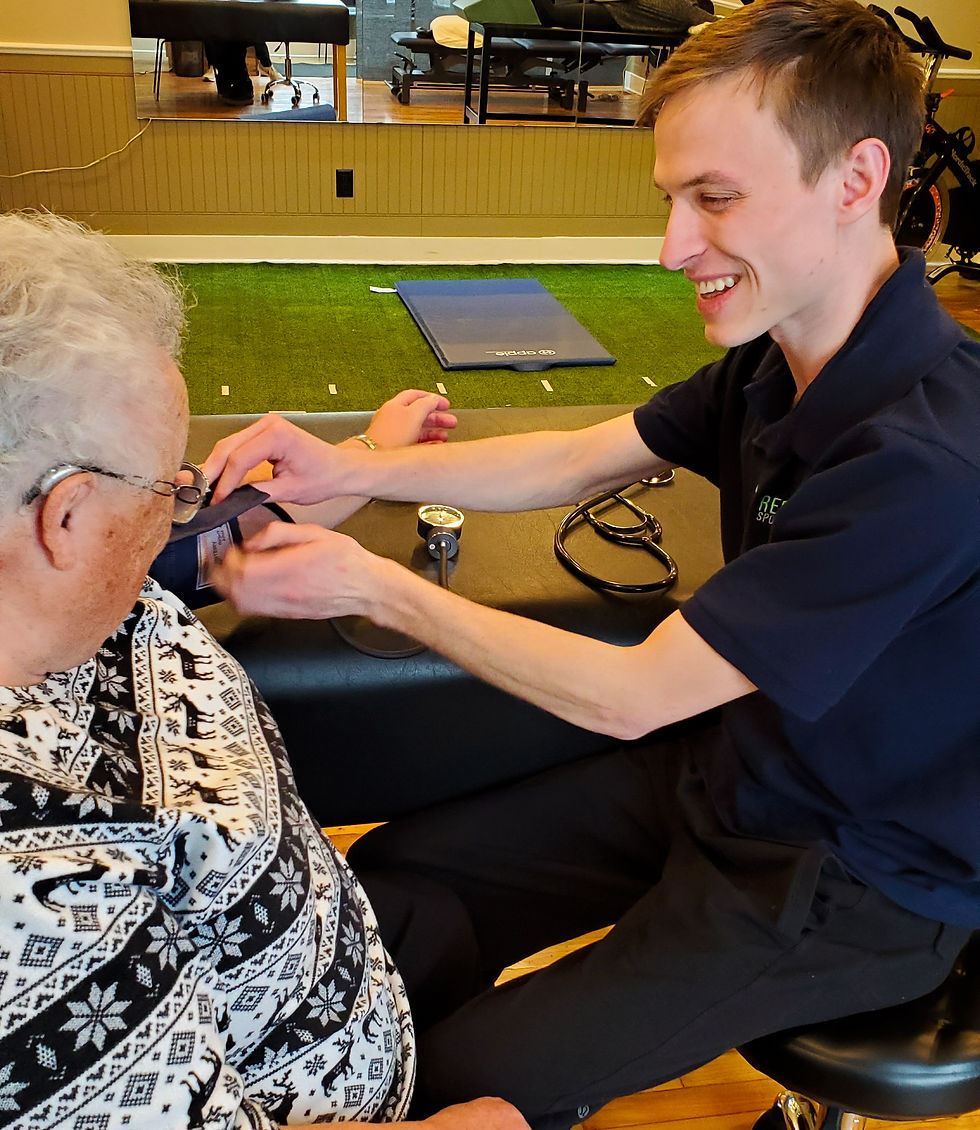
Physiotherapy clinics in Winnipeg are equipped with modern tools to support your recovery.
Key Physiotherapy Techniques Winnipeg Residents Should Know
Let’s dive deeper into some effective physiotherapy techniques that are widely used in Winnipeg to help injured individuals regain their health.
1. Manual Therapy for Pain Relief and Mobility
Manual therapy involves skilled hand movements by a physiotherapist to manipulate muscles and joints. This technique can:
Reduce stiffness and improve joint range of motion.
Decrease muscle tension and spasms.
Promote blood flow to injured areas.
For example, if you have a shoulder injury, manual therapy can help loosen tight muscles and improve your arm’s movement. It’s often combined with other treatments for the best results.
2. Therapeutic Exercises to Rebuild Strength
Exercise is a cornerstone of rehabilitation. Your physiotherapist will guide you through exercises tailored to your injury and fitness level. These might include:
Range of Motion Exercises: To gently move joints and prevent stiffness.
Strengthening Exercises: Using resistance bands or weights to rebuild muscle.
Balance and Coordination Drills: To improve stability and prevent falls.
Consistency is key here. Even simple daily exercises can make a big difference over time.
3. Electrotherapy to Manage Pain and Swelling
Electrotherapy uses electrical currents to stimulate nerves and muscles. Common types include:
TENS (Transcutaneous Electrical Nerve Stimulation): Helps block pain signals.
Ultrasound Therapy: Uses sound waves to promote tissue healing.
Electrical Muscle Stimulation (EMS): Encourages muscle contraction to prevent atrophy.
These treatments are painless and can be very effective when combined with other rehabilitation methods.

Ultrasound therapy is a common physiotherapy technique used to promote healing in injured tissues.
4. Heat and Cold Therapy for Inflammation and Muscle Relaxation
Applying heat or cold to an injury can help manage symptoms:
Cold Therapy: Use ice packs during the first 48 hours after injury to reduce swelling and numb pain.
Heat Therapy: Apply heat to relax muscles and increase blood flow, especially before exercises.
Your physiotherapist will advise you on when and how to use these therapies safely.
5. Education and Lifestyle Advice
Rehabilitation isn’t just about treatment sessions. Learning how to protect your body and avoid re-injury is crucial. Your physiotherapist will provide advice on:
Proper posture and body mechanics.
Safe ways to return to work or sports.
Ergonomic adjustments for your home or workplace.
This knowledge empowers you to take control of your recovery and maintain long-term health.
How to Maximize Your Rehabilitation Success
Rehabilitation is a journey, and your active participation makes all the difference. Here are some tips to get the most out of your physiotherapy:
Follow Your Program: Stick to the exercises and treatments prescribed by your physiotherapist.
Communicate Openly: Share your progress and any concerns during sessions.
Stay Patient and Positive: Healing takes time, but every small step counts.
Maintain a Healthy Lifestyle: Eat well, stay hydrated, and get enough rest.
Use Supportive Devices if Recommended: Braces or orthotics can aid recovery.
If you’re in Winnipeg and looking for expert help, consider reaching out to recharge physio winnipeg. They offer evidence-based rehabilitation tailored to your needs.
Specialized Techniques for Athletes and Active Individuals
Athletes and active people often require specialized rehabilitation to return to their sport safely. Some advanced techniques include:
Sports-Specific Training: Exercises that mimic the movements of your sport to rebuild strength and agility.
Functional Movement Screening: Identifying and correcting movement patterns that could cause injury.
Kinesiology Taping: Applying tape to support muscles and joints during activity.
Progressive Loading: Gradually increasing exercise intensity to build endurance without overloading tissues.
These methods help athletes regain peak performance while minimizing the risk of future injuries.
Embracing a Holistic Approach to Injury Recovery
Effective rehabilitation goes beyond physical healing. Mental and emotional well-being play a big role in your recovery. Here’s how you can support yourself holistically:
Set Realistic Goals: Celebrate small victories to stay motivated.
Practice Mindfulness or Relaxation Techniques: Reduce stress and improve focus.
Stay Connected: Lean on friends, family, or support groups.
Seek Professional Help if Needed: Sometimes, counseling or therapy can aid recovery.
Remember, your body and mind work together. Taking care of both speeds up healing and improves your quality of life.
Taking the First Step Toward Recovery
Injury rehabilitation is a process, but you don’t have to do it alone. With the right physiotherapy techniques and support, you can overcome setbacks and regain your strength. Whether you’re recovering from a WCB claim, MPI claim, or a sports injury, personalized care is essential.
If you’re ready to start your journey, consider consulting with professionals who understand the unique needs of Winnipeg residents. Their expertise and compassionate approach will guide you every step of the way.
Your body is capable of amazing things. With patience, effort, and the right techniques, you’ll be back to doing what you love in no time.

Comments